Archives
- 2026-10
- 2026-09
- 2026-08
- 2026-07
- 2026-06
- 2026-05
- 2026-04
- 2026-03
- 2026-02
- 2026-01
- 2025-12
- 2025-11
- 2025-10
- 2025-09
- 2025-03
- 2025-02
- 2025-01
- 2024-12
- 2024-11
- 2024-10
- 2024-09
- 2024-08
- 2024-07
- 2024-06
- 2024-05
- 2024-04
- 2024-03
- 2024-02
- 2024-01
- 2023-12
- 2023-11
- 2023-10
- 2023-09
- 2023-08
- 2023-06
- 2023-05
- 2023-04
- 2023-03
- 2023-02
- 2023-01
- 2022-12
- 2022-11
- 2022-10
- 2022-09
- 2022-08
- 2022-07
- 2022-06
- 2022-05
- 2022-04
- 2022-03
- 2022-02
- 2022-01
-
Finally the optimized leads and were tested
2022-02-03
Finally, the optimized leads (−)- and (−)- were tested in rat model of CIPN (3 and 30 mg/kg, po, qd, administered for 7 days) and the results have been shown in . Under acute set up, after single oral administration at 30 mg/kg, both the compounds exerted significant improvement of the NP condition
-
In conclusions it is hypothesized that
2022-02-01
In conclusions, it is hypothesized that caffeine administration could lead to an increase in histamine neuronal activation or release of histamine [38] to induced locomotor stimulation via H1 receptor activation. In addition, the present study also propose that the spaced administration of caffeine
-
There is increased awareness of HBV reactivation in chronic
2022-02-01
There is increased awareness of HBV reactivation in chronic HCV/HBV co-infected patients treated with DAAs [1], [2]. The recent emergence of this adverse event of DAA therapy is due to the exclusion of HBV co-infected subjects from registration clinical trials evaluating the safety of these treatmen
-
The different NO stimulated and ODQ inhibited cNMP patterns
2022-02-01
The different NO-stimulated and ODQ-inhibited cNMP patterns in terms of absolute and relative magnitude and time course reported herein suggest distinct functional roles of cGMP, cCMP and cUMP. Therefore, it will be necessary to dissect cellular effects of these cNMPs in numerous cell systems. For t
-
AP24534 In the present study administration of both muscimol
2022-02-01

In the present study, administration of both muscimol and bicuculline also affected the biosynthesis of GnRHR. A significant decrease in GnRHR level in the POA, AH, VMH and SME following muscimol treatment as well as the opposite effect induced by bicuculline indicates that GnRHR gene expression is,
-
In this study we find that DH CBD induces
2022-02-01
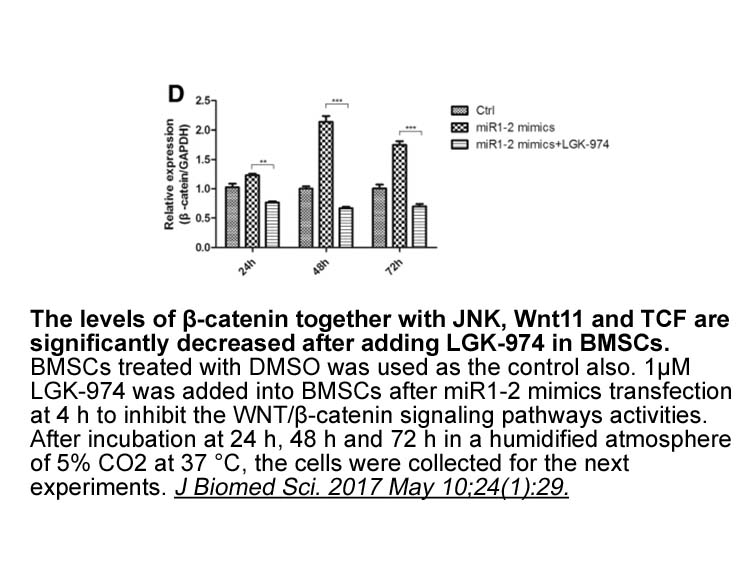
In this study, we find that DH-CBD induces analgesic effects on inflammatory but not acute pain and the HBTU level of spinal α1 GlyRs increased after CFA paw injection. These results suggest that GlyR α1 is only involved in chronic pain. A possible explanation is that once the expression of α1 GlyRs
-
ATP is essential for maintaining the
2022-02-01
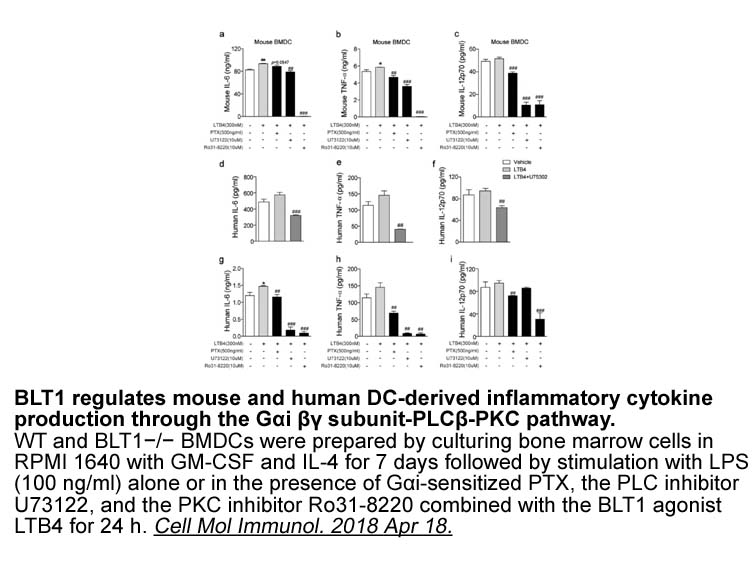
ATP is essential for maintaining the ionic balance of the lens (Michael and Bron, 2011). Without sufficient ATP there is an ionic imbalance due to Na+K+ATPase dysfunction. Previous studies have shown that rabbit lenses incubated ex vivo without glucose rapidly lost ATP in their lens epithelium and f
-
Celecoxib australia In a mouse model of
2022-01-31
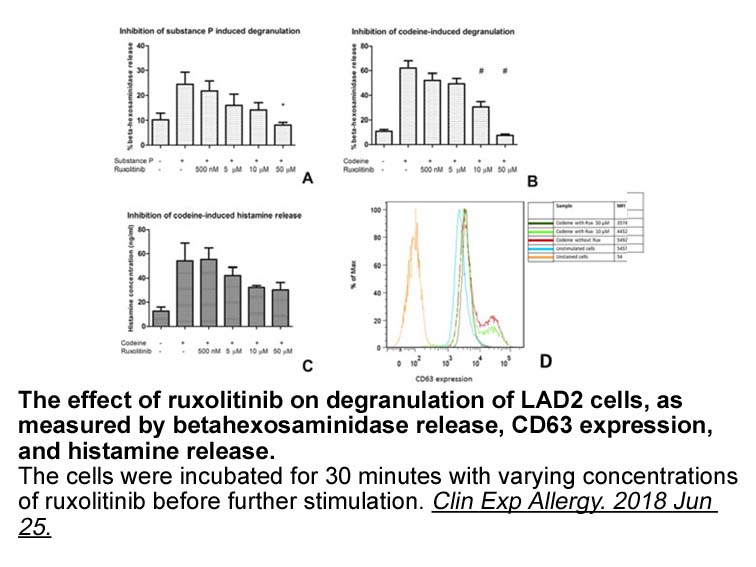
In a mouse model of hyperhomocysteinemia (a risk factor for the development of vascular dysfunction) it has been shown that myoendothelial communication is enhanced due to increased expression of Cx37 and IK1 Celecoxib australia [], allowing the propagation of endothelial signals to VSMC and thereb
-
Based on the collective experience
2022-01-31
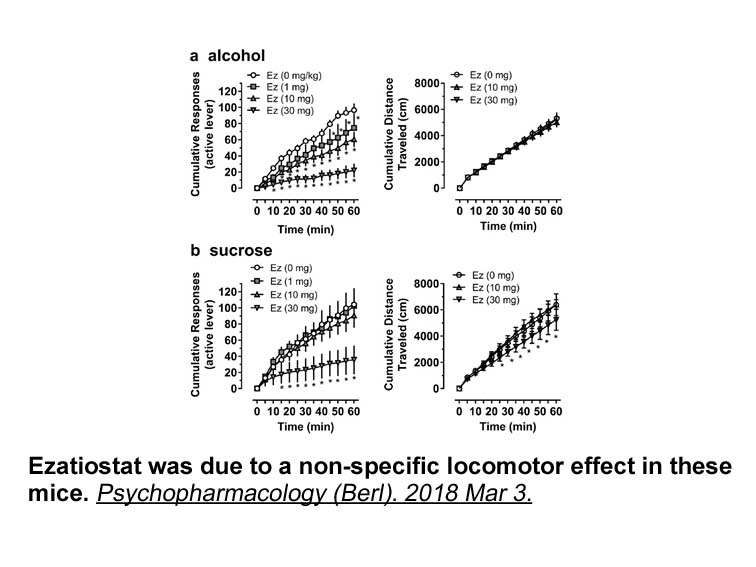
Based on the collective experience to date, it is likely that a much more comprehensive assessment of GSI selectivity for inhibition of multiple substrates, as well as biomarkers to track inhibition of non-APP substrates in vivo will be needed to support future efforts to develop substrate selective
-
Clinical trials of all GSIs have ended prematurely
2022-01-31
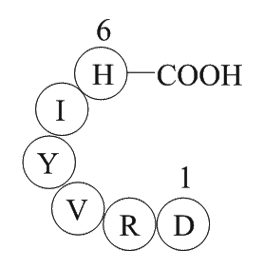
Clinical trials of all GSIs have ended prematurely, raising the question on our understanding of their target, the γ-secretase/presenilin. Development of compounds to target γ-secretase and reduce Aβ production is complicated by the fact that γ-secretase/presenilin has critical biological function,
-
As shown in Table the results of individual
2022-01-31
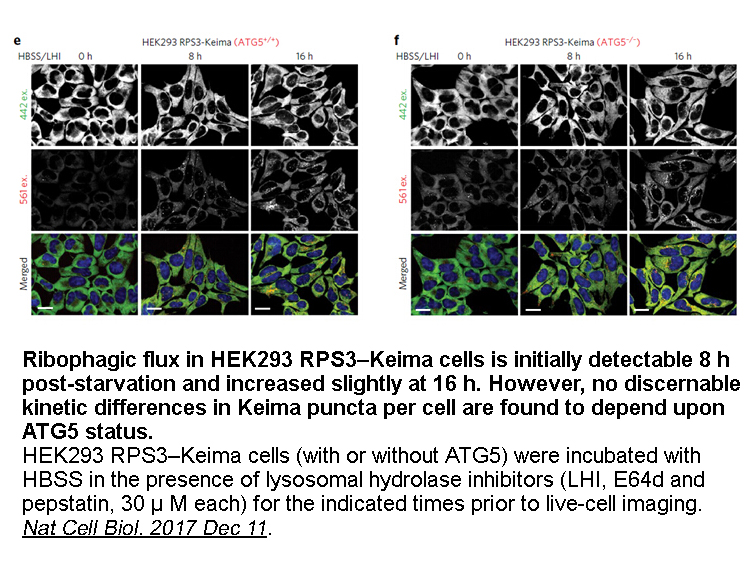
As shown in Table 3, the results of individual prediction modeling with chemicals at 0.4 mM, 0.6 mM, and 0.8 mM would lead to lesser sensitivity of 60.0%, 65.0%, and 65.0%, respectively, in microsome-unused group, and 85.0%, 85.0%, and 90.0%, in microsome-used group. If we consider only the results
-
br Introduction GPR also known as free fatty
2022-01-31
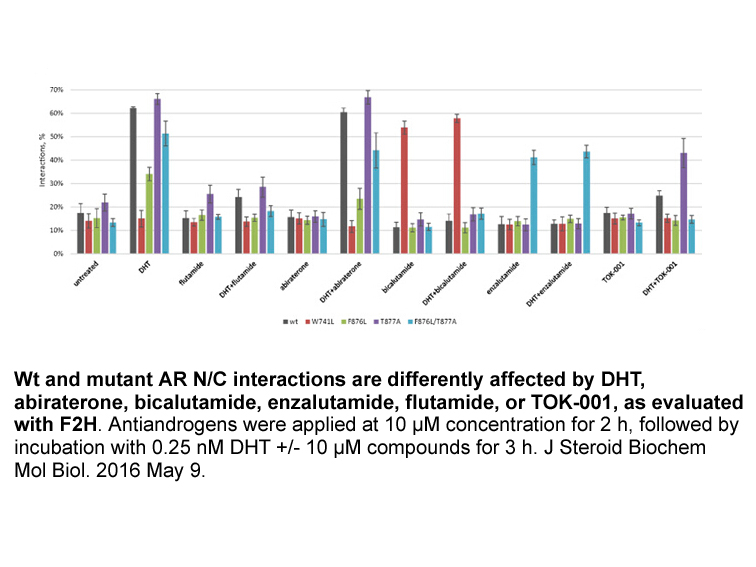
Introduction GPR40 (also known as free fatty 5-Iodotubercidin synthesis receptor 1), a member of the G-protein coupled receptor (GPCR) family, is expressed in pancreatic beta cells, intestine and the central nervous system (Bekinschtein et al., 2008; Itoh et al., 2003). It is activated by medium
-
Earlier we have showed that tumor associated
2022-01-31
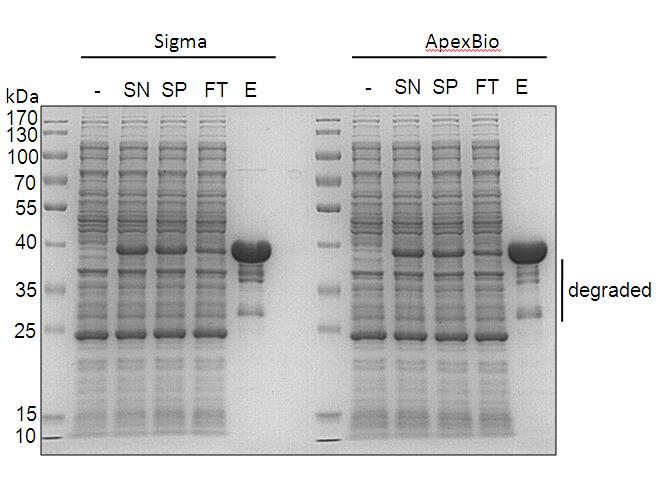
Earlier we have showed that tumor associated sFas mRNA isoform profile and splicing factors expression levels in solid tumors do not correspond to profiles that are observed in cell lines [45]. In the present study, for the first time we show that Fas but not Rac1 pre-mRNA's alternative splicing is
-
br Acknowledgements and disclosures This work
2022-01-31
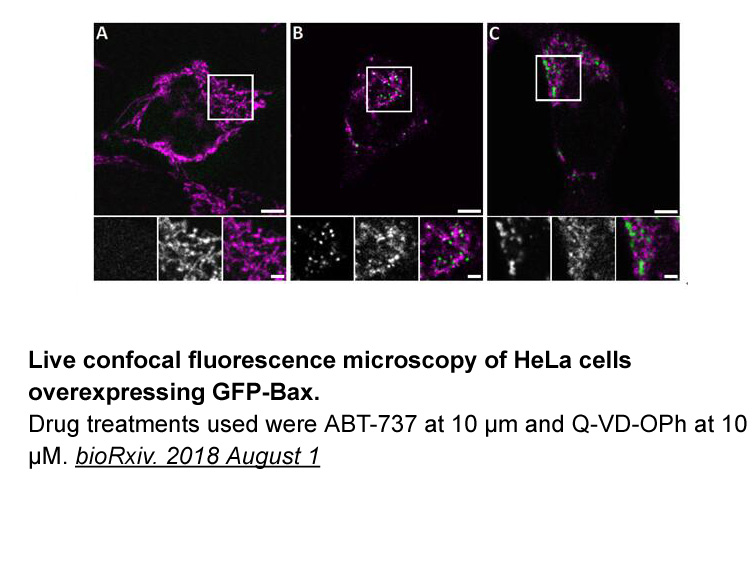
Acknowledgements and disclosures This work was supported in part by the National Institutes of Health (R01 HL-131673-01A1) and the Veterans Administration (BX-002539-01), United States. The authors have nothing to disclose concerning any conflict of interest. Introduction Adaptations are ofte
-
The ketone body receptor HCA is
2022-01-30
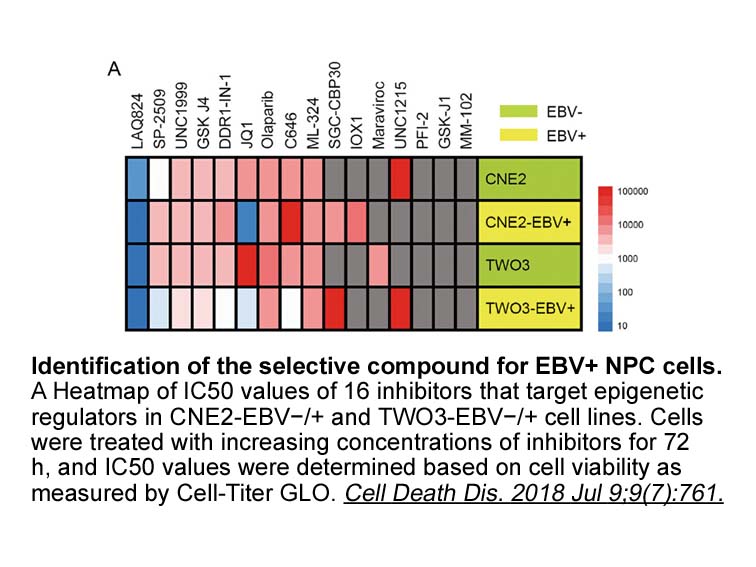
The ketone body receptor HCA2 is most likely not active under normal conditions, since local levels and plasma levels of ketone bodies such as β-HB are too low to activate the receptor. However, overnight fasting or prolonged starvation results in plasma levels of the ketone body in the millimolar r
8012 records 514/535 page Previous Next First page 上5页 511512513514515 下5页 Last page