Archives
- 2026-10
- 2026-09
- 2026-08
- 2026-07
- 2026-06
- 2026-05
- 2026-04
- 2026-03
- 2026-02
- 2026-01
- 2025-12
- 2025-11
- 2025-10
- 2025-09
- 2025-03
- 2025-02
- 2025-01
- 2024-12
- 2024-11
- 2024-10
- 2024-09
- 2024-08
- 2024-07
- 2024-06
- 2024-05
- 2024-04
- 2024-03
- 2024-02
- 2024-01
- 2023-12
- 2023-11
- 2023-10
- 2023-09
- 2023-08
- 2023-06
- 2023-05
- 2023-04
- 2023-03
- 2023-02
- 2023-01
- 2022-12
- 2022-11
- 2022-10
- 2022-09
- 2022-08
- 2022-07
- 2022-06
- 2022-05
- 2022-04
- 2022-03
- 2022-02
- 2022-01
-
We observed that the Toc G domain recognizes the N
2022-02-11

We observed that the Toc159G domain recognizes the N-terminal portion of the transit peptide of pSSU with a dissociation constant of 70 μM (Fig. 2; Table 1), while a tenfold higher KD was obtained for the phosphorylated C-terminal region. In turn, the homodimer of Toc34G recognizes the phosphorylat
-
Fig summarizes the underlying mechanism of
2022-02-11
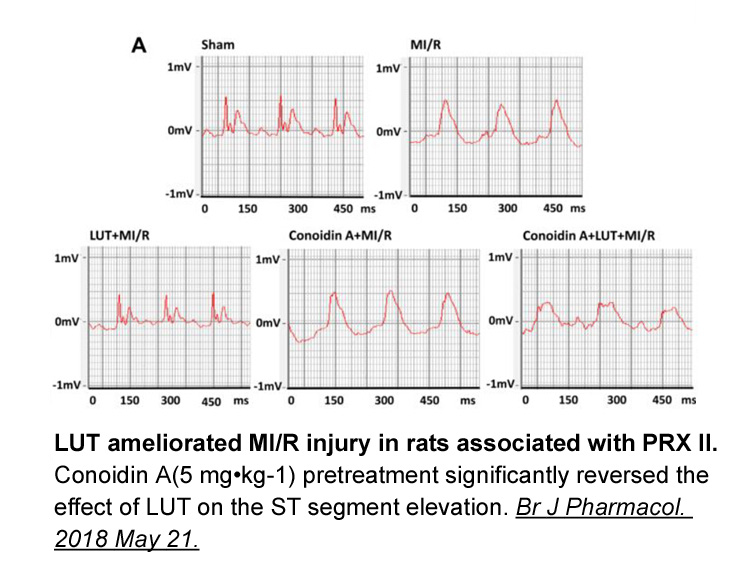
Fig. 7 summarizes the underlying mechanism of SB on inhibiting inflammation and maintaining epithelium barrier integrity in the TNBS-induced colitis model. Our findings not only explained the protective effect of SB on colon health, but also provided evidence that GPR109A likely constitutes a valid
-
br TGR agonists current developments and future landscape Th
2022-02-11
TGR5 agonists: current developments and future landscape The amphipathic nature of bile acids is crucial in aiding the digestion and CFDA-SE sale of vitamins and fats. With the emerging roles of bile acids in the regulation of energy and glucose homeostasis through TGR5, the pharmaceutical indus
-
Based on the role of
2022-02-11
Based on the role of NMDA receptors in initiation and propagation of epileptic seizures and on potentiation of NMDA function by glycine, it has been hypothesized that glycine will have proconvulsant activity (Foster and Kemp, 1989). Indeed, there is some evidence that human epileptogenic foci, remov
-
In this study we provide biochemical and immunohistochemical
2022-02-11
In this study we provide biochemical and immunohistochemical evidence for the localization of the glycine transporter GLYT1 in synaptic vesicles. Previously, it was thought that GLYT1 was exclusively a glial protein (Zafra et al., 1995a). However, due to a partial discrepancy between mRNA and protei
-
br Materials and methods br Results br
2022-02-11
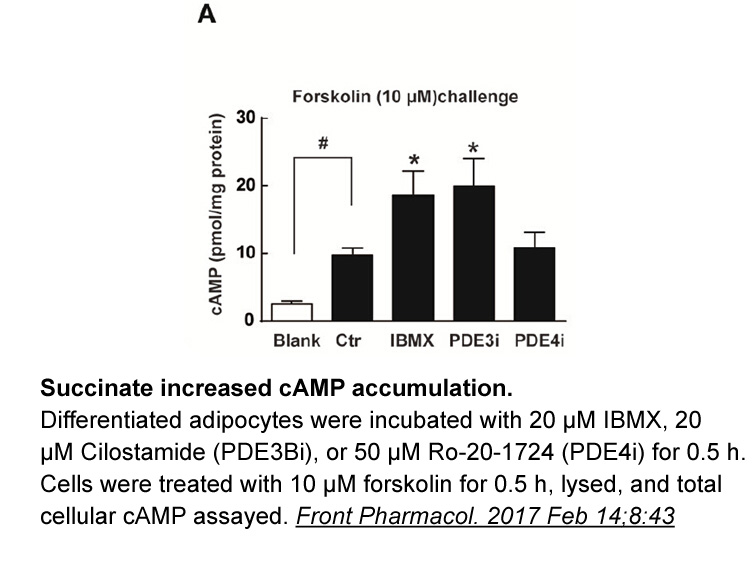
Materials and methods Results Discussion Conclusion Pharmacophore modeling was applied to explore new probable Glo-I inhibitors. Ninety two pharmacophoric models were generated representing diverse types of interaction between co-crystallized ligands and corresponding binding site. The g
-
To confirm that these were
2022-02-11
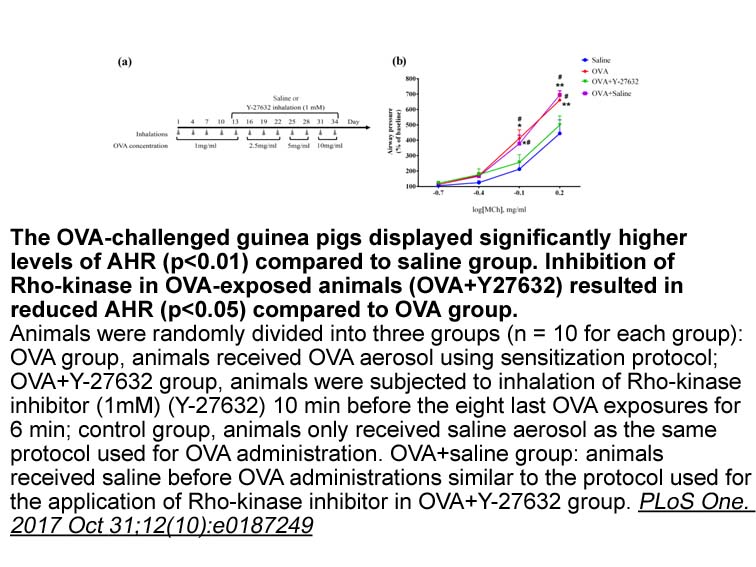
To confirm that these were bona fide interactions, we investigated whether the potassium channel subunits or Tmem263 formed complexes with GLT-1 or DAT after immunoprecipitation. Lysates of HEK-293 cells previously cotransfected with HA-GLT-1 or HA-DAT, and either YFP-Kv7.3, YFP-Kv7.2 or YFP-Kv7.5 w
-
br Contributions br Acknowledgements This research was suppo
2022-02-11
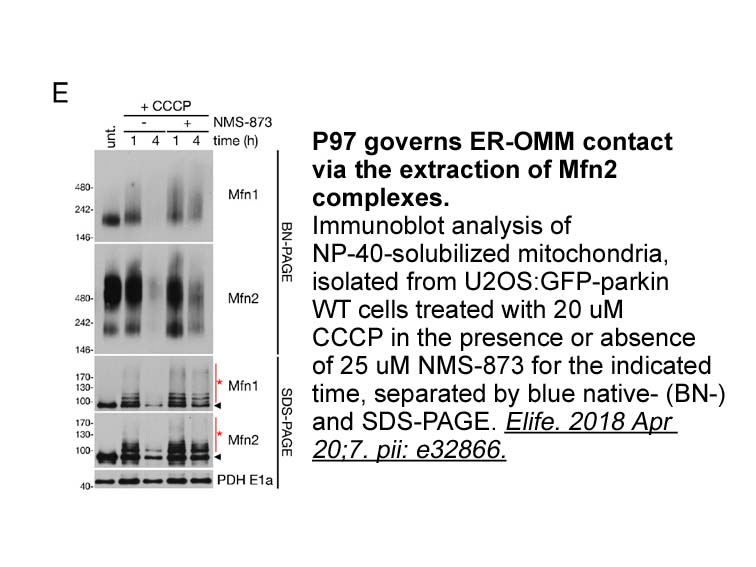
Contributions Acknowledgements This research was supported by Natural Sciences and Engineering Research Council (NSERC) Discovery grant No. 341538 and Ontario Graduate Scholarships to HM and VS. Introduction Sexual size dimorphism describes size difference between male and female individua
-
br Voltage dependent anion channel VDAC is
2022-02-11

Voltage-dependent anion channel VDAC is a ubiquitous protein showing well conserved structural and functional properties in spite of major variations in its sequence (for review see [50]). Most of what we know about VDAC electrophysiological properties (for reviews, see [51], [52]) was initially
-
br Discussion RBCs possess a much simpler composition and
2022-02-11

Discussion RBCs possess a much simpler composition and structure than other eukaryotic U-104 and can therefore serve as a convenient system on which to study how cell functioning relates to the molecular and supramolecular properties of its constituents. The model developed in this work is aimed
-
Studies have indicated that formylated peptides FPRs and
2022-02-10

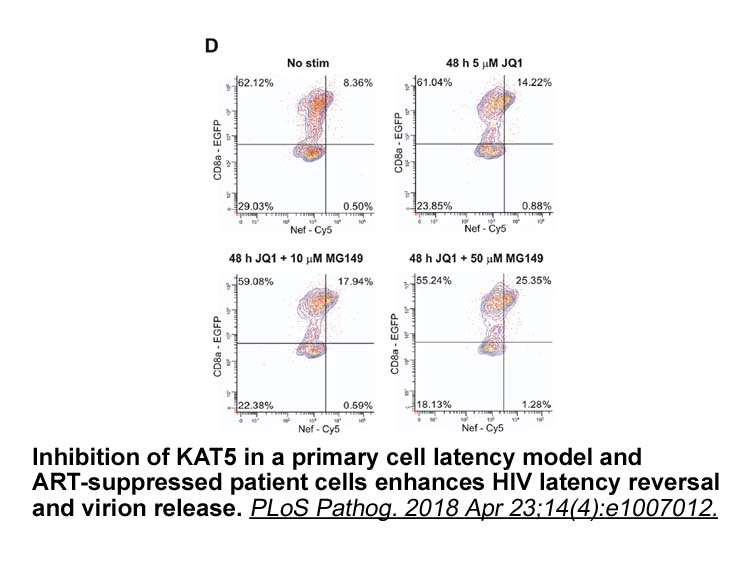
Studies have indicated that formylated peptides, FPRs, and in particular FPR-1 may be principal conductors in inflammatory processes in sterile-24, 26 and infection-related diseases. FPR-1 and formylated peptides, which are active components of CS, have been involved in smoking-induced lung damage,
-
MMAF sale The strict control of Spi expression
2022-02-10
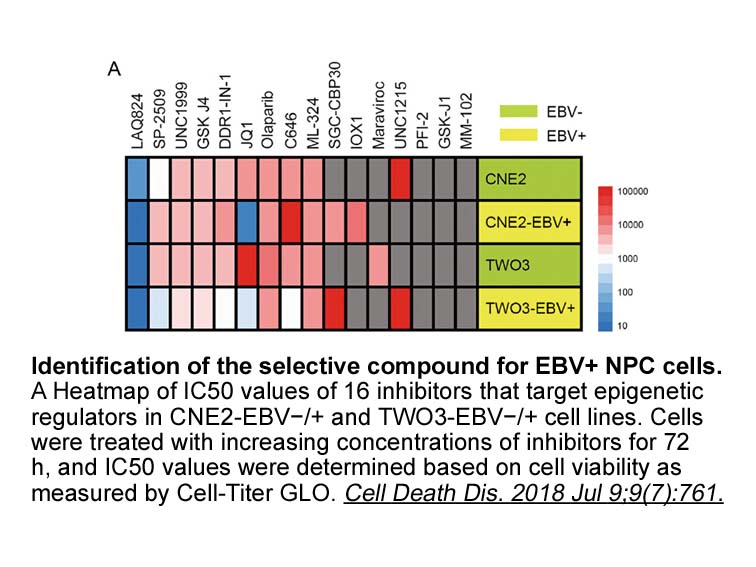
The strict control of Spi1 expression is critical for proper myeloid cell fate determination, and genetic or epigenetic changes in the Spi1 gene frequently contribute to the leukemogenesis in mice and human. It is has been shown that Spi1 expression is frequently downregulated in human AML patients
-
HDAC enzymes oppose the effects of HATs by reversing
2022-02-10
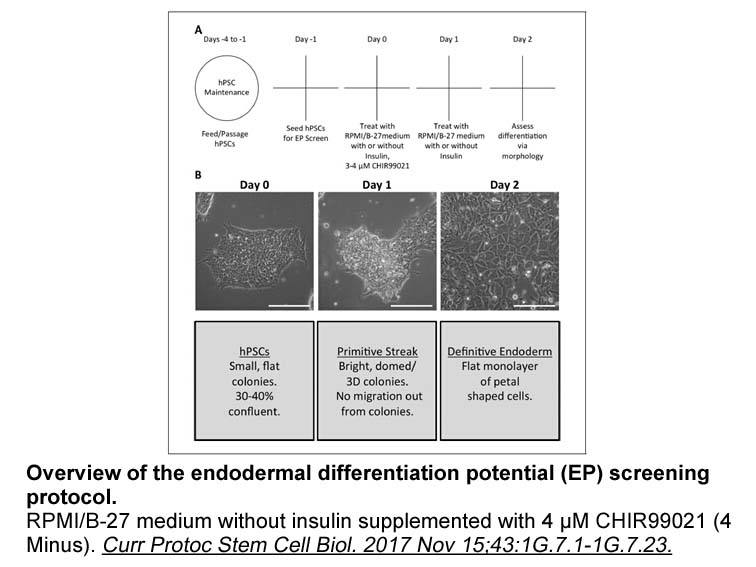
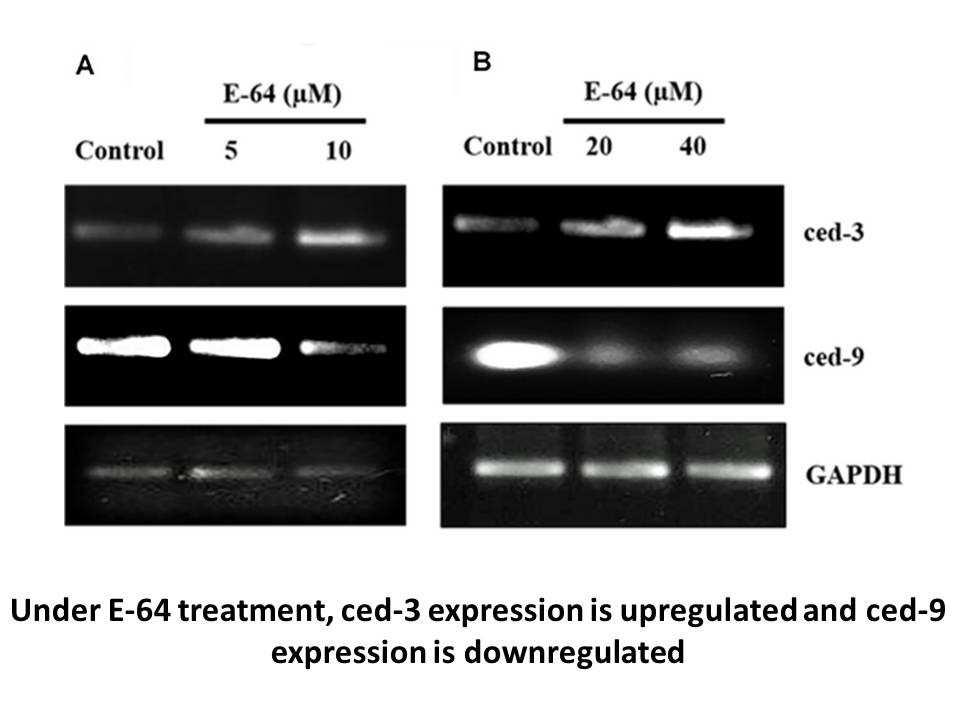
HDAC enzymes oppose the effects of HATs by reversing lysine acetylation, an action that restores the positive charge of the lysine thus stabilizing the local chromatin structure. By removing acetyl groups from ε-amino lysines of proteins, HDACs not only alter transcription, but also promote either t
-
Numerous strategies of cardiomyocyte protection are effectiv
2022-02-10
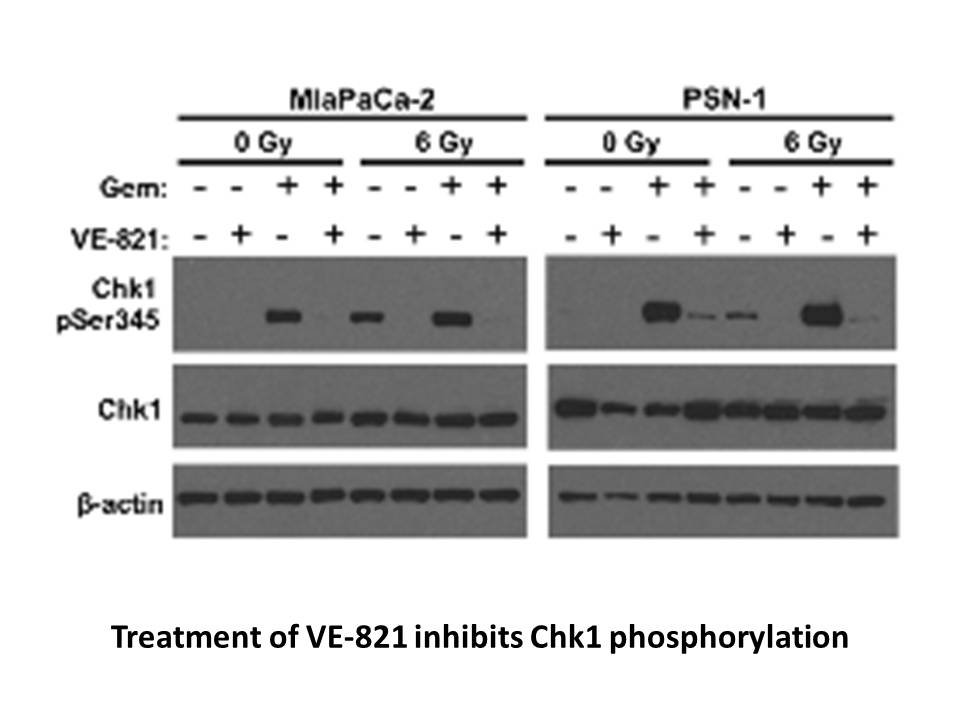
Numerous strategies of cardiomyocyte protection are effective in preclinical, animal models and in small clinical trials. However, most have disappointed in large clinical trials [4,5]. Failures of cyclosporine and post-conditioning to mitigate reperfusion injury are recent examples [[6], [7], [8]].
-
The LOD and linear range of the
2022-02-10

The LOD and linear range of the cobas HBV test using the cobas 4800 system in this study were similar to those provided by the manufacturer. We found a strong correlation between the results of the cobas HBV test and CAP/CTM v2.0 systems; however, 7.7% of samples yielded detectable results only wit
8012 records 510/535 page Previous Next First page 上5页 506507508509510 下5页 Last page